 русский
 简体中文



Nuclear fusion energy is regarded as the ultimate clean energy for the future, and its facilities operate under extremely harsh environments: it is necessary to confine high-temperature plasma at hundreds of millions of degrees Celsius while keeping superconducting magnets working at cryogenic temperatures close to absolute zero. For this reason, temperature measurement and thermal control run through every critical system of fusion devices. In magnetic confinement fusion devices such as tokamaks, the first wall and divertor of the vacuum chamber are directly exposed to intense thermal irradiation from plasma. A large number of high-temperature thermocouples and special temperature sensing elements are used to monitor surface temperatures and heat load distribution of components in real time, providing data support for plasma control and protection. The superconducting magnet system operates in the liquid helium temperature range, which imposes stringent requirements on the accuracy and stability of cryogenic temperature measurement, requiring platinum resistance thermometers and special temperature measuring cables adapted to low-temperature conditions. The tritium breeding blanket, cooling loops and thermal shielding systems require continuous temperature acquisition across a wide temperature range to guarantee tritium breeding efficiency and system safety. In addition, remote maintenance, teleoperation systems and auxiliary buildings of fusion facilities also require supporting temperature monitoring, heat tracing and thermal insulation. Our high-temperature sheathed thermocouples, wide-range platinum resistance thermometers, radiation-resistant special temperature measuring cables and heating cables deliver reliable supporting solutions for temperature measurement and thermal management to cope with extreme working conditions including ultra-high temperature, cryogenic temperature and intense radiation in nuclear fusion applications.



Contact TAISUO
Nuclear Energy & Nuclear Fusion
Nuclear Energy & Nuclear Fusion


Related Product
Single-ended heating tube
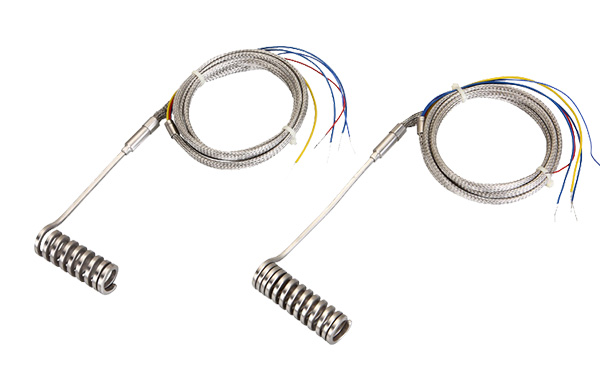
Hot runner spring heating ring
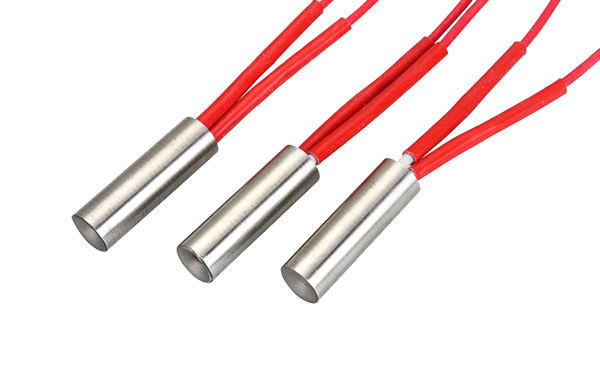
Single-ended heating tube
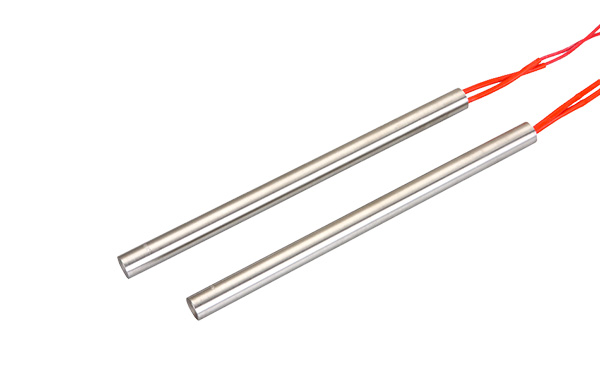
Single-ended heating tube for 3D hot bending machine
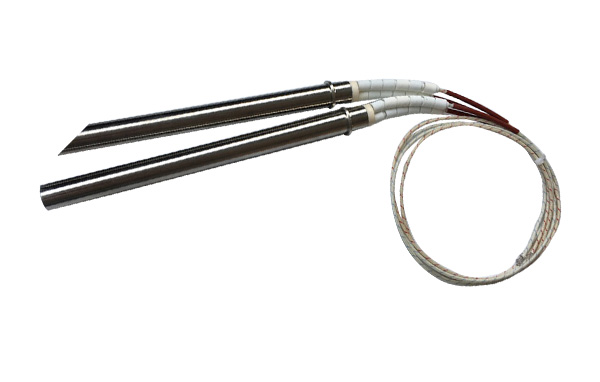
Single-ended heating tube for 3D hot bending machine
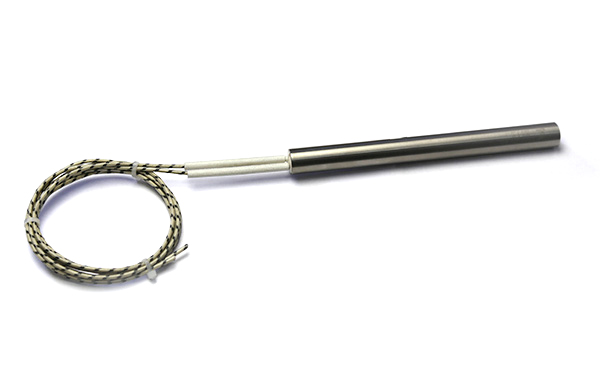
Single-ended heating tube for 3D hot bending machine
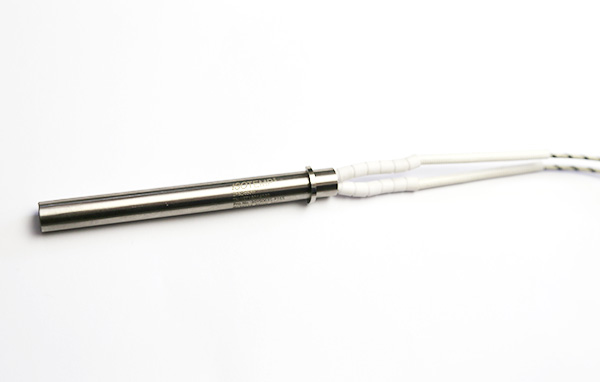
Built-in thermocouple single-ended heating tube
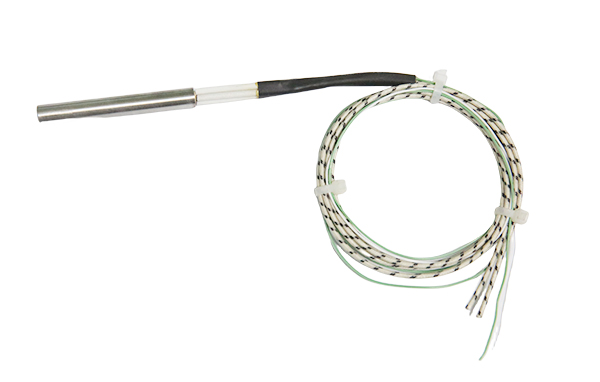
Right-angled single-ended heating tube
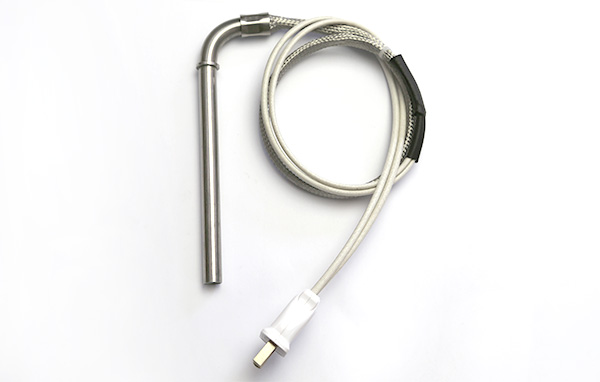
φ5*40 Built-in thermocouple single-ended heating tube
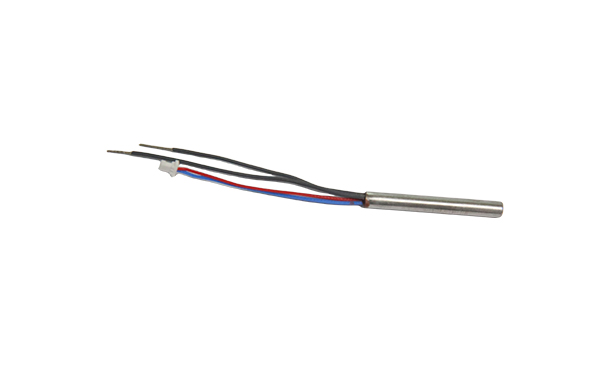
Internal wiring single-ended heating tube
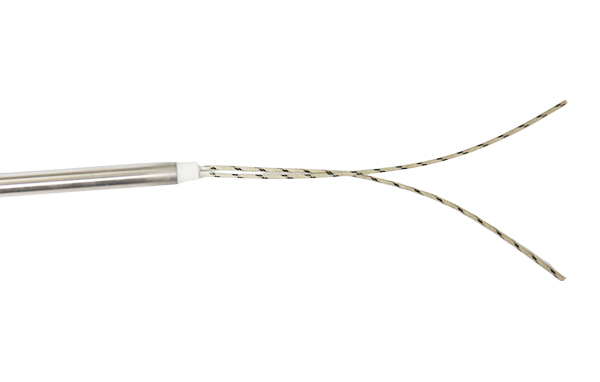
Single-ended heating tube for liquid heating
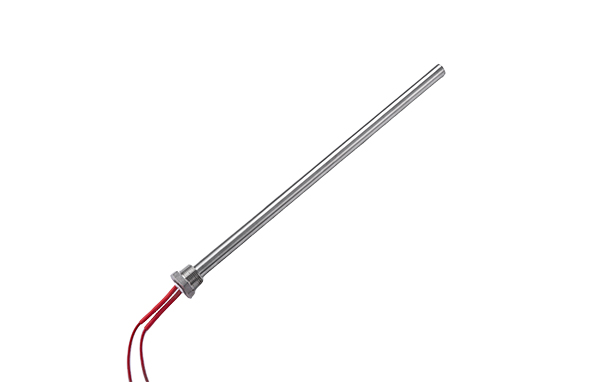
φ5*25 Internal wiring single-ended heating tube
Why TAISUO?
-

Customized Service
We have a strong R&D team that can develop and produce products based on drawings or samples provided by customers;
-

High Cost Performance
We have two of our own foundries and processing plants, with factory direct sales, good quality and low price;
-

Quality System
We have our own laboratory and advanced testing equipment in the industry to ensure product quality;
-

Product Diversity
We can meet the development and production of products of different shapes, sizes and materials;
-

Service System
We are based on high quality and high-end market, with products in line with international standards, which are mainly exported to Europe, America, Russia, Southeast Asia and other countries and regions;
-

Transportation Service
We are only a few dozen kilometers away from Beilun Port, so it is very convenient for global sales and export.
Product Center
 Heating System
 Sensing System
 Signal Transmission
 Control System
 New Materials

 +86-400-8517-888
 lyz@taisuo.com
 Ins: tai_suo
 No. 2 East Yuzhou Highway, Yuyao City, Ningbo, Zhejiang Province, China Zhejiang TAISUO Technology Co., Ltd.

Copyright © Zhejiang TAISUO Technology Co., Ltd. Temperature Sensors Manufacturers Wholesale Temperature Sensors Suppliers
